
Sometimes the best project updates are the ones you don’t see coming.
Two of our community solar installations are outperforming expectations and showing that putting rooftops to work is one of the simplest ways to cut carbon and lower energy costs.
Located in the heart of the Shropshire Hills National Landscape, Shropshire Hills Discovery Centre welcomes around 100,000 visitors each year. Run by the charity Grow Cook Learn, it encourages people to explore the food, history and landscape of the area while promoting more sustainable living.
The rooftop solar installation presented an unusual challenge for us. The building’s distinctive living grass roof, with its striking yin-yang style shape, required careful design, installation and community consultation. The result is a photovoltaic system that now supplies more than half of this rural hubs’ electricity demand with locally generated renewable energy at below-grid prices.
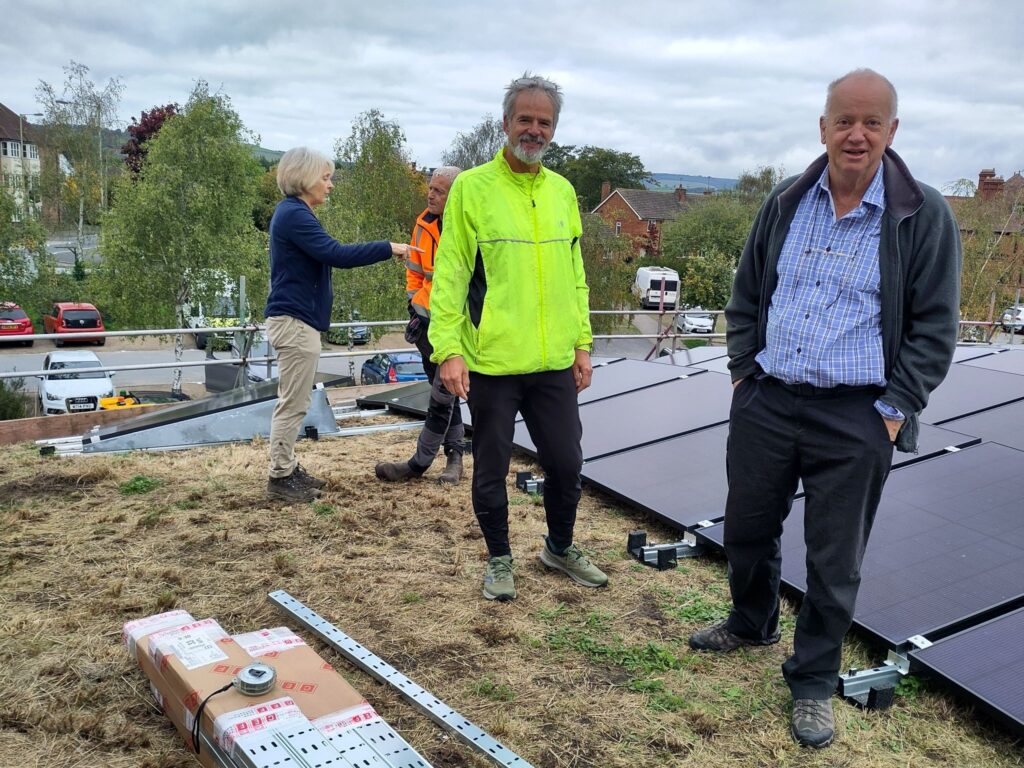
Even better, the system is already saving the centre more on its electricity bills than originally forecast. Thanks to strong solar generation and the site’s ability to use much of the electricity as it’s produced, the installation is delivering greater financial benefits than anticipated. Centre Manager Grant Wilson is delighted as every pound saved on energy is a pound that can be spent supporting visitors, education and the charity’s broader work.
Shropshire Hills isn’t the only site delivering ahead of forecast. At the Freemantle and Shirley Community Centre in Southampton, the story is much the same.
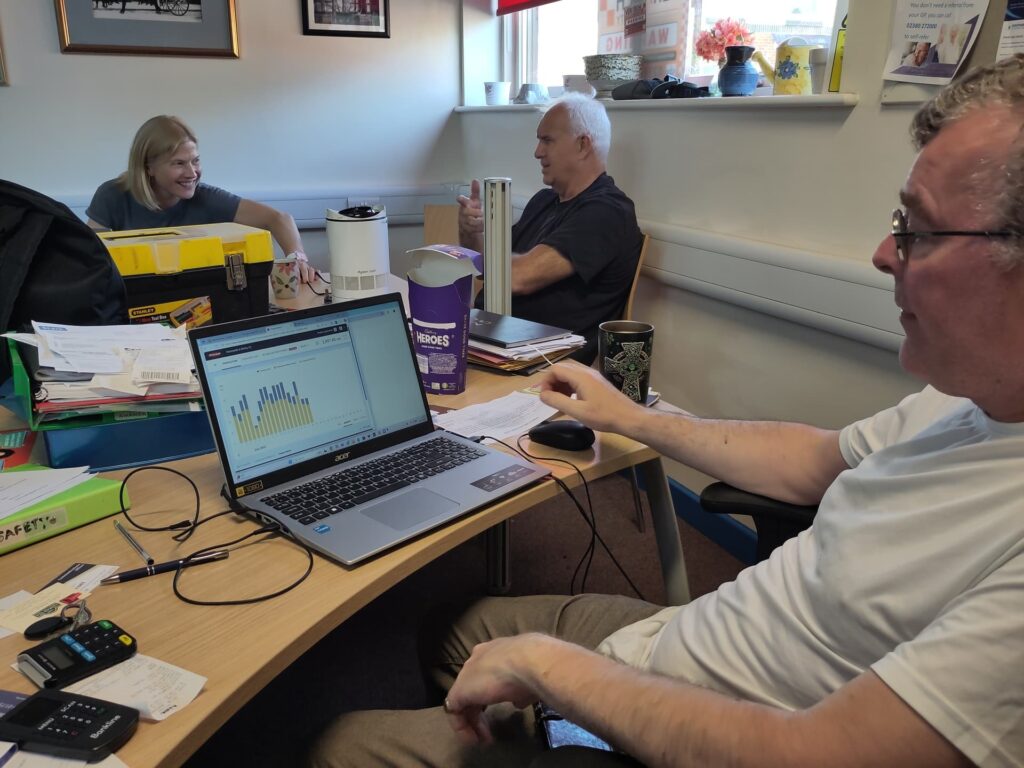
The 71 panel, 27kWp rooftop solar array was originally expected to generate around 28,100kWh of clean electricity each year. The system was also expected to save around £54,000 on electricity costs over the next 20 years and avoid approximately 6 tonnes of carbon emissions in its first year alone.
A year on from install, the actual results are proving substantially better than expected. While our generation projections proved accurate, the match between our solar generation and the centre’s usage has been even better than we modelled. Reviewing the system’s performance, Centre Manager Martin Ryan found that even in December, typically the least productive month for solar, the centre generated 34% of its own electricity. By last June, that figure had risen to 70%, meaning seven out of every ten units of electricity used by the building came directly from its rooftop solar panels.
For a busy community hub hosting everything from older people’s day services and NHS mental health support to dance classes, children’s activities, theatre groups and the city’s Ukrainian language school, that means more affordable, locally generated electricity supporting services for the local community.
These happy results highlight why larger community buildings can be such a good fit for rooftop solar. They often use most of their electricity throughout the day, allowing them to make the most of the power generated on site while reducing their reliance on increasingly costly and unpredictably priced grid electricity.
Of course, the real measure of any solar installation comes over years rather than a few months. Weather patterns can vary from season to season and long-term performance is what really counts. But seeing projects get off to such a strong start is hugely encouraging for everyone involved.
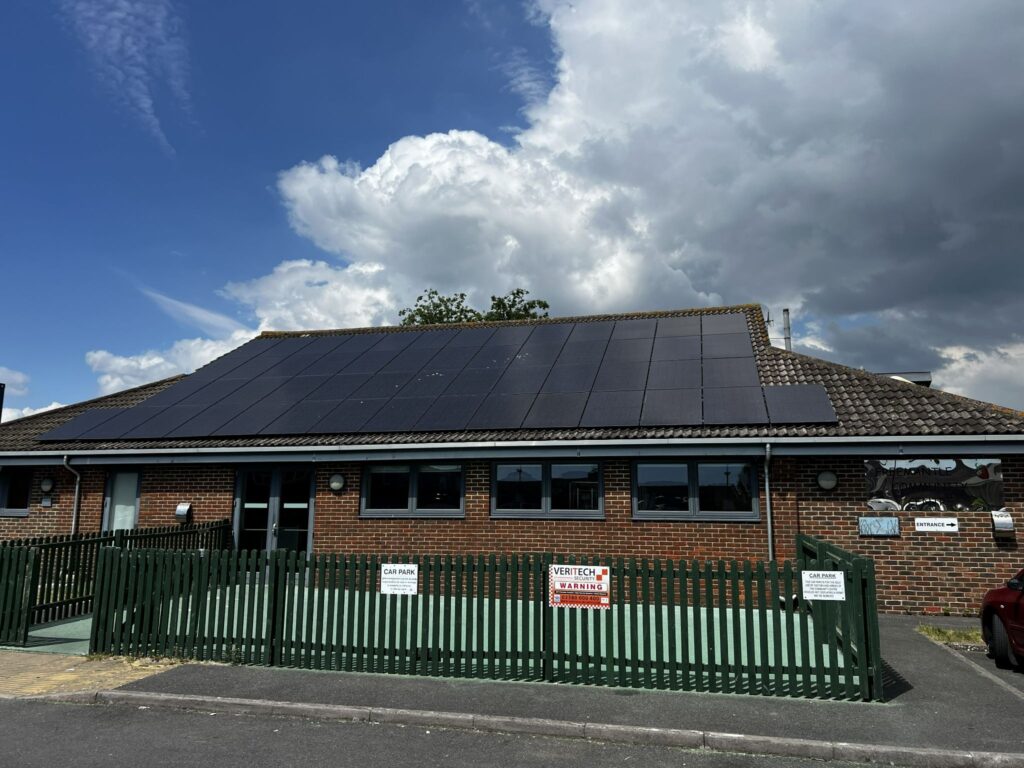
For the Big Solar Co-op and its members, these are exactly the outcomes we’re working towards: lower bills for our solar host organisations and more renewable electricity generated where it’s used. As more of our sites come online, every successful installation strengthens the case for putting the UK’s vast expanse of unused commercial and community rooftops to work. Together, Big Solar Co-op Investor Members now own 22 large rooftop solar installations across the UK, with more than 50 additional projects in development. Every successful installation strengthens the co-operative, enabling us to finance more community-owned solar on large rooftops.
Join us today in our mission to help the UK to have cleaner energy, and lower emissions, fast.